Burlington Basement Flooding — Common Causes and Solutions
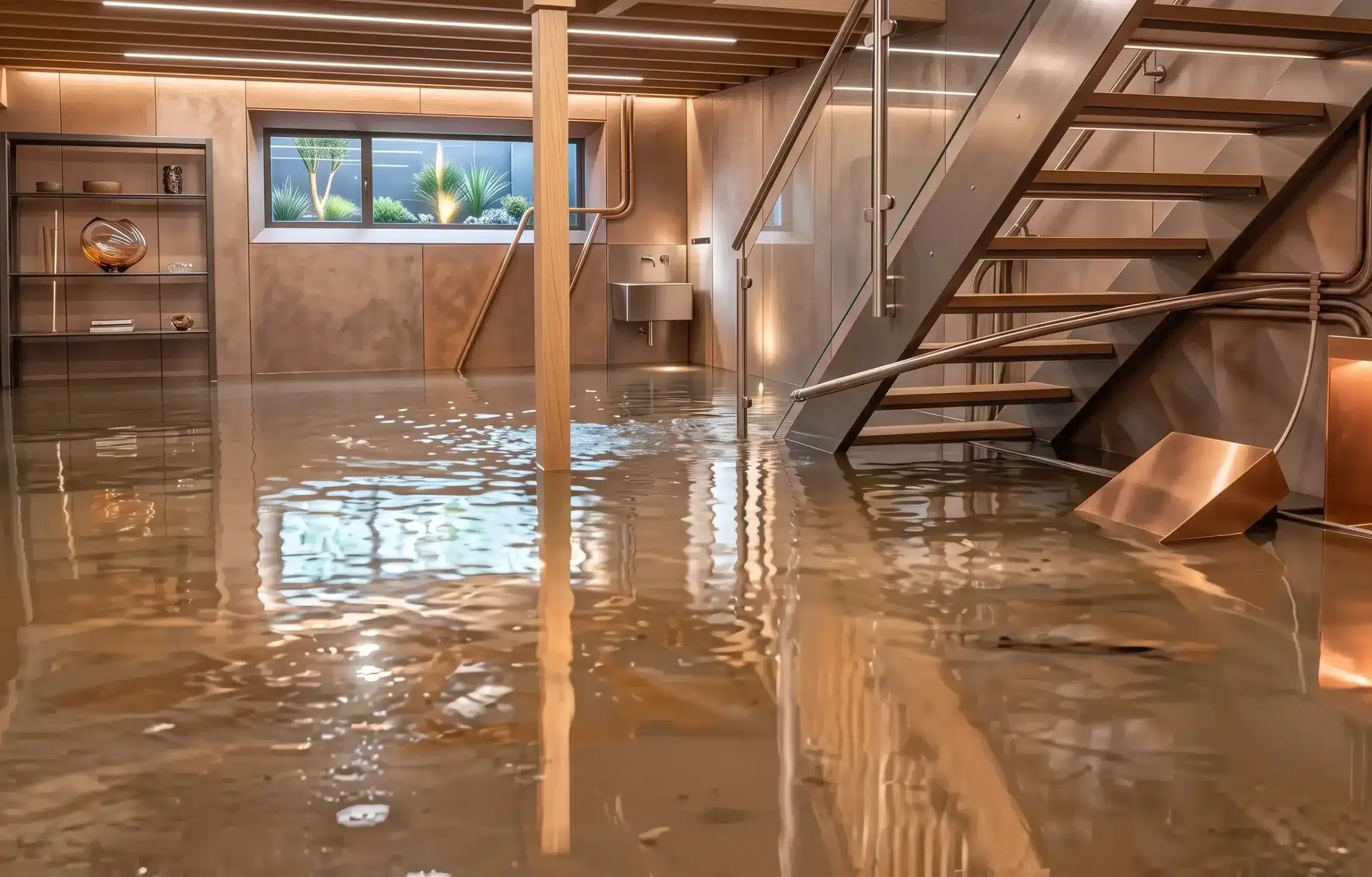
Burlington basement flooding is a growing problem that has impacted thousands of homeowners in recent years. Burlington ranks as the 17th most flood-prone city in Ontario, and the devastating July 2024 storms proved just how vulnerable the city is — over 1,600 homes reported basement flooding, the city declared a Level 2 emergency, and many residents were left dealing with tens of thousands of dollars in damage.
Understanding the common causes of Burlington basement flooding helps you take preventive action and respond faster when it happens.
The July 2024 Burlington Floods — What Happened
In July 2024, approximately 75 mm of rain fell across Burlington in a single storm event — more than a months worth of rainfall in hours. The city’s stormwater system was completely overwhelmed. Roads flooded across the city, including Walkers Line at Mainway, Hampton Heath Road at Windermere, and North Service Road at Skyview.
The Brant Hills neighbourhood near Dundas Street and Guelph Line was hit especially hard. A Highway 407 embankment partially collapsed, blocking a culvert and backing up the wastewater system directly into nearby residential properties on Cavendish Drive. Residents watched as water filled streets, backyards, and basements within minutes.
Over 500 basements flooded and more than 1,600 homes reported damage. The City of Burlington activated emergency response, and the Ontario government later approved Disaster Recovery Assistance for affected residents.
This wasnt Burlingtons first major flood — in 2014, another severe storm caused similar widespread damage, prompting the city to spend over $100 million on water system repairs. Unfortunately, the 2024 floods showed that more work is still needed.
Common Causes of Burlington Basement Flooding
Municipal Sewer System Overload
During intense rainfall, Burlington’s municipal sewer system can exceed capacity. When this happens, sewage and stormwater back up through the basement floor drains. Halton Region’s investigation found that wastewater flow rates during the 2024 storm reached up to 19 times normal dry weather levels — far beyond what the system was designed to handle.
This is the most common cause of Burlington basement flooding during major storms and typically results in Category 3 contaminated water requiring professional sewer backup cleanup.
Aging Infrastructure in Older Neighbourhoods
Burlington neighbourhoods like Aldershot, Downtown Burlington, and areas around Brant Street have aging sewer systems built decades ago for a much smaller population. Combined sewer systems in these areas carry both sewage and stormwater in the same pipe, making them the first to become overwhelmed during heavy rain.
Halton Region is currently investigating 268 kilometres of wastewater mains in priority flooding areas and has identified improper private-side connections as a major contributing factor to sewer surcharges.
Sump Pump Failure
Many Burlington homes depend on sump pumps to keep basements dry. During the 2024 floods, countless sump pumps failed — some because they lost power during the storm, others because they simply couldn’t handle the volume of water entering through weeping tiles and foundation drainage.
A sump pump without a battery backup is essentially useless during the storms most likely to cause Burlington basement flooding — when power outages are common.
Foundation and Grading Issues
Poor property grading that directs water toward your foundation instead of away from it is a common contributor to Burlington basement flooding. Over time, soil settles around foundations, creating low spots where water pools. Clogged or disconnected weeping tiles allow groundwater to build pressure against foundation walls.
Frozen and Burst Pipes
Burlington experiences frequent freeze-thaw cycles during winter due to Lake Ontario’s moderating effect. These temperature swings stress pipe joints and can cause frozen pipes to burst, flooding basements with clean water that still requires professional extraction and drying.
Window Well Flooding
Basement windows with improperly drained or uncovered window wells collect rainwater during storms. When the well fills up, water pours through the window into your basement. This is a common and easily preventable cause of Burlington basement flooding.
Solutions for Burlington Basement Flooding
Install a Backwater Valve
A backwater valve is the single most effective protection against sewer backup flooding. It prevents sewage from flowing backward into your home during system overloads. The City of Burlington’s flood prevention page provides information on installation requirements and available financial assistance through Halton Region’s Enhanced Basement Flooding Prevention Subsidy Program.
Upgrade Your Sump Pump
If you have a sump pump, install a battery backup system so it operates during power outages. Consider upgrading to a higher-capacity pump if yours struggled during past storms. Test your sump pump every season — pour a bucket of water into the pit and confirm it activates and pumps the water out.
Disconnect Downspouts
Halton Region has identified private-side stormwater connections as a major cause of sewer surcharges during storms. Disconnect your downspouts from the sanitary sewer system and redirect them to discharge onto your lawn at least 2 metres from your foundation. This simple step reduces backup risk for your home and your entire neighbourhood.
Fix Grading and Drainage
Walk around your home during a rainstorm and observe where water flows. If water pools near your foundation or flows toward your house, regrading is needed. Ensure the ground slopes away from your foundation on all sides. Extend downspouts and add splash pads to direct water further from the house.
Install Window Well Covers
Clear plastic or metal window well covers prevent rainwater from filling your window wells. Make sure each window well has a functioning drain at the bottom connected to your weeping tile system.
Seal Foundation Cracks
Inspect your basement walls for cracks and have them professionally sealed. Interior and exterior waterproofing options are available depending on the severity and location of cracks.
Insulate Pipes for Winter
Prevent burst pipe flooding by insulating all exposed pipes in your garage, crawl space, and along exterior walls before winter. Keep your home heated to at least 15°C even when away.
What to Do When Burlington Basement Flooding Happens
If your basement is flooding right now, follow these steps. Do not enter if water is near electrical components — call Burlington Hydro at 1-877-310-4937 to disconnect power. If its safe, shut off the water source. Document damage with photos and video. Do not use plumbing fixtures if a sewer backup is suspected. Call (289) 724-9139 for immediate professional basement flood cleanup.
Professional extraction within the first 24 hours prevents mold growth and dramatically reduces total restoration costs.
Burlington Basement Flooding Insurance
Standard home insurance covers sudden pipe bursts and appliance failures. However, sewer backup and overland flooding require separate endorsements — typically $50 to $150 per year. After the 2024 floods, homeowners without these endorsements paid the entire cleanup costs out of pocket, while those with coverage had claims processed by their insurers.
Add sewer backup and overland water endorsements to your policy today if you don’t already have them.
Get Professional Help for Burlington Basement Flooding
Whether you’re dealing with an active flood or recovering from past water damage, our team provides 24/7 emergency response across all Burlington neighbourhoods — Brant Hills, Aldershot, Downtown, Tyandaga, Roseland, Palmer, Orchard, and north Burlington.
📞 Call Now: (289) 724-9139 — 24/7 Emergency Water Damage Restoration Burlington
Serving Oakville, Burlington, Milton, Halton Hills, and the entire Halton Region.
0 responses to “Burlington Basement Flooding — Common Causes and Solutions”