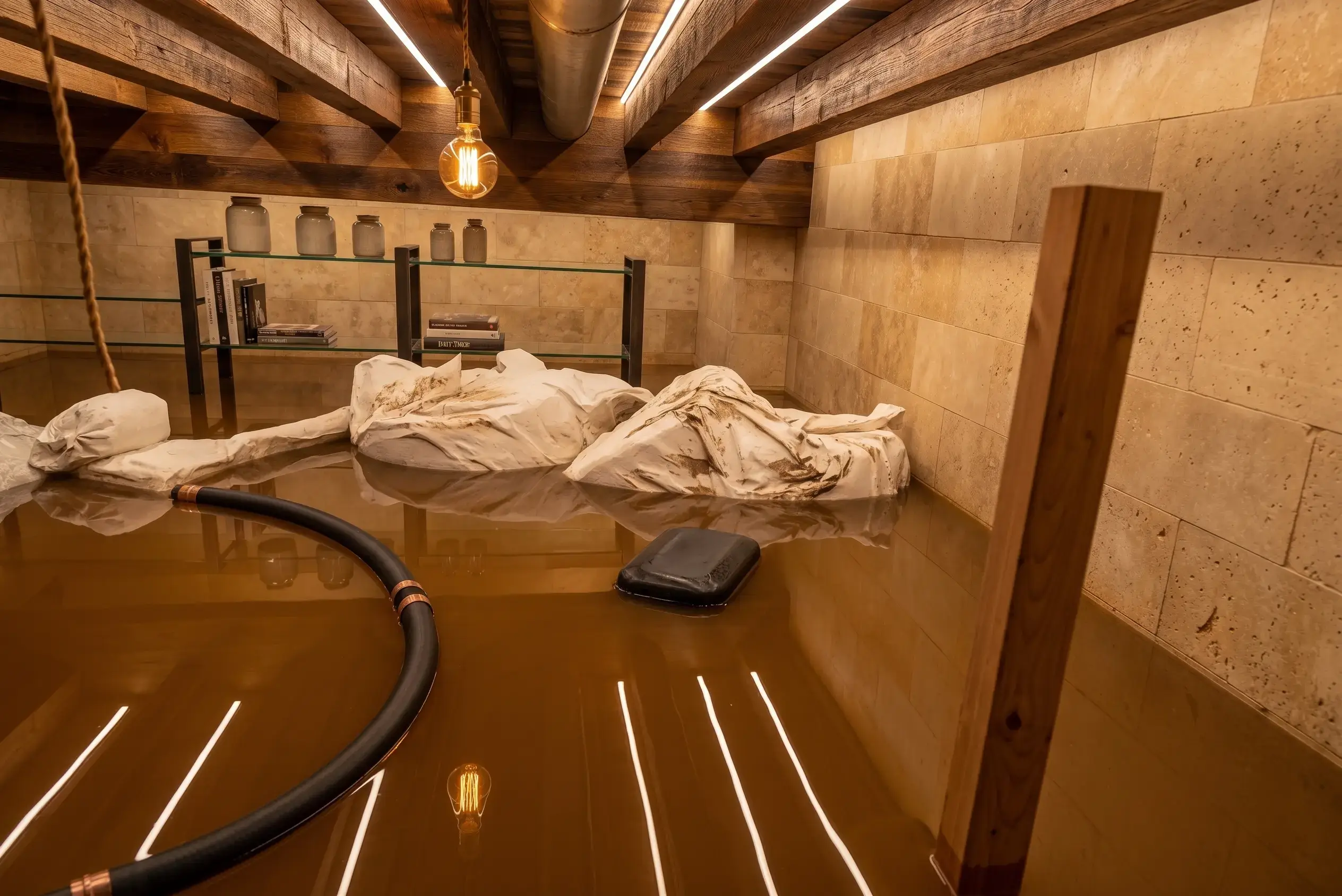
Basement flooding first 24 hours are the most critical window you have. What you do — and dont do — in this short period decides whether your Halton home recovers cleanly or faces months of mold, structural damage, and rejected insurance claims. If your basement is actively flooding right now, call our team at (289) 724-9139 for 24/7 emergency response across Oakville, Burlington, Milton, and Halton Hills.
Most homeowners freeze in those first hours. Thats normal. But every minute that water sits, it soaks deeper into drywall, subfloor, insulation, and your familys belongings. This guide walks you through exactly what to do, in order, during the first 24 hours of basement flooding so you protect your home, your health, and your insurance claim.
Why the Basement Flooding First 24 Hours Matter So Much
Water damage doesnt stay still. According to Health Canada, mold can begin growing on damp materials within 24 to 48 hours. Once mold colonies establish, remediation costs jump dramatically — and so do the health risks for everyone in the household.
Insurance is the other clock running against you. The Insurance Bureau of Canada reports that the average water damage claim in Ontario now sits around $43,000. Insurers expect homeowners to take “reasonable steps” to limit further damage. Wait too long, and your claim can be reduced or denied.
And theres the structural side. Wet drywall loses integrity fast. Hardwood cups and warps. Subfloors swell. Electrical systems behind walls become hazardous. The basement flooding first 24 hours are where you stop a manageable cleanup from becoming a full gut renovation.
Hour 0–1: Stop the Source and Stay Safe
Before you touch anything wet, your job is to make sure no one gets hurt.
Shut off the electricity to the basement
If water has reached outlets, appliances, or your furnace, do not step into the basement. Go to your main electrical panel on the floor above and shut off the breaker for the basement. If the panel itself is in the flooded basement, call Oakville Hydro or your local utility immediately and stay out.
Identify the water source
Where is the water coming from? Common sources in Halton homes include:
- Burst pipe (especially during winter cold snaps)
- Sewer backup through floor drains
- Overland flooding from heavy rain
- Sump pump failure
- Foundation cracks during the spring thaw
- Hot water tank rupture
If its a burst pipe, shut off the main water valve. If its a sewer backup, do not enter the water — its category 3 contaminated water and requires professional sewer backup cleanup.
Get people and pets out
Keep children and pets upstairs until the source is contained and the area is electrically safe.
Hour 1–4: Document Everything Before Cleanup
This step is where most homeowners lose thousands of dollars on their insurance claim. Before you move a single item, document the damage.
Photograph and video every angle
Use your phone. Take wide shots, close-ups of damaged items, and video walking through the space. Capture the water level on walls, soaked furniture, and any visible source. Timestamp matters — most phones add this automatically.
Make a list of damaged belongings
Write down every item, its approximate age, and original purchase price if you remember. This list becomes your contents claim.
Call your insurance company
Report the loss within 24 hours. Get a claim number. Ask whether your policy covers this specific cause — sewer backup, for example, often requires a specific endorsement that not all Ontario policies include by default.
If your policy is unclear, the Insurance Bureau of Canada has plain-language guides on what standard Canadian home policies cover.
Hour 4–12: Start Water Removal and Protect What You Can
Once youve documented and notified your insurer, the priority shifts to getting water out and salvaging what you can.
If you have flooding right now and cant handle it alone, call (289) 724-9139 for emergency water extraction anywhere in Halton. Our team brings truck-mounted extraction equipment, industrial dehumidifiers, and air movers — gear that will pull thousands of times more water than a shop vac.
If water is shallow and clean
For an inch or two of clean water from a burst supply pipe, you can start with a wet/dry shop vac. Move soaked rugs and furniture upstairs or outside to dry. Remove cardboard boxes — they wick water into whatevers stored inside.
If water is deep, dirty, or rising
Stop. Call professionals. Floodwater from sewer backups or overland flooding contains bacteria, sewage, and chemical contaminants that household cleaning cant address safely. The Government of Canada flood cleanup guide is clear about the health risks of contact with contaminated floodwater.
Save what you can move
Get photos, important documents, electronics, and irreplaceable items to a dry upper floor. Books and paper photos can sometimes be saved by freezing them — this halts mold and buys you time to restore them later.
Hour 12–24: Drying and Damage Assessment
By now, the water should be out or being extracted. The next stage of the basement flooding first 24 hours is aggressive drying.
Open windows only if the outside air is dry
If it’s a humid Ontario summer day with 80% outdoor humidity, opening windows makes drying worse. Run dehumidifiers instead. In winter, opening windows briefly helps if temperatures are below freezing and the air is dry.
Remove wet drywall and insulation
Drywall that sat in water for more than a few hours usually needs to come out — at minimum the bottom 12 to 24 inches (the “flood cut”). Wet fiberglass insulation has to go regardless. Both hold moisture against framing and feed mold growth. Natural Resources Canada has guidance on insulation replacement after water damage.
Pull up wet flooring
Carpet and underpad rarely survive a flood. Engineered hardwood usually doesnt. Solid hardwood sometimes does, if dried within 24 to 48 hours by professionals with the right equipment.
Halton-Specific Risks During the First 24 Hours
Halton homes face unique flooding patterns that influence how you respond.
The 2014 flash flood lesson
On July 8, 2014, parts of Halton received over 191mm of rain in roughly two hours. Thousands of basements flooded — many through sewer backups when the municipal system overwhelmed. Homeowners who acted within the basement flooding first 24 hours saved tens of thousands compared to those who waited “until the rain stops.”
Halton Region basement flooding subsidy
The Halton Region basement flooding program offers up to $675 toward backwater valve installation and other flood prevention upgrades. After your current flood is handled, this program is worth applying to before the next storm.
Local geography
Properties near Sixteen Mile Creek in Oakville, Bronte Creek areas, and low-lying parts of Burlington and Milton flood differently than homes on higher ground. Conservation Halton flood maps show which streets historically flood — and your property might be on one of them. Check the Conservation Halton resources for your address.
What NOT to Do in the First 24 Hours
Just as important as the right steps are the mistakes that cost homeowners the most.
- Dont turn on basement electrical until inspected. Hidden water in walls or outlets is a shock and fire hazard.
- Dont use a regular vacuum. Only wet/dry shop vacs handle water — household vacuums will be destroyed and create electrical risk.
- Dont throw items away before documenting. Insurance needs evidence.
- Dont assume small floods will dry on their own. Hidden moisture inside walls and under floors is what causes mold weeks later.
- Dont wait for “business hours.” Restoration costs rise every hour. Thats why our team responds 24/7 across Halton.
When to Call a Professional Restoration Team
Honestly? Most Halton homeowners should call within the first hour, not the first 24. Heres when its non-negotiable:
- Water deeper than two inches
- Sewer backup or contaminated water
- Water touched electrical outlets or appliances
- Wet drywall, insulation, or subfloor
- Any visible mold (even from a previous, undisclosed leak)
- Furnace, water heater, or HVAC affected
Our certified team handles every aspect of basement flood cleanup across the region — from emergency extraction to structural drying, mold prevention, and full reconstruction. We work directly with most Ontario insurers, which means less paperwork stress for you.
If your home is affected right now, call (289) 724-9139. We respond 24/7 across Oakville, Burlington, Milton, and Halton Hills.
Frequently Asked Questions
How quickly does mold grow after basement flooding?
Mold can begin growing within 24 to 48 hours on damp materials, according to Health Canada. Thats why the basement flooding first 24 hours response window is so important. Drying must start fast.
Will my insurance cover basement flooding in Ontario?
It depends on the cause and your specific policy. Burst pipes are usually covered. Sewer backup typically requires a separate endorsement. Overland flooding requires its own coverage. Call your insurer immediately to confirm.
Can I clean up basement flooding myself?
For very small, clean-water leaks, yes. For anything larger, contaminated water, or water that has reached drywall and insulation, professional restoration is safer and usually less expensive long-term once mold and structural costs are factored in.
How long does basement flood restoration take?
Drying alone usually takes 3 to 7 days with professional equipment. Full restoration including drywall, flooring, and reconstruction can take 2 to 6 weeks depending on damage extent.
What does basement flood cleanup cost in Halton?
Costs range from $2,500 for minor clean-water events to $25,000+ for full sewer backup with reconstruction. Most insured claims fall between $8,000 and $20,000. We provide free emergency assessments before any work begins.
0 responses to “Basement Flooding First 24 Hours: Halton Emergency Guide”